

Interview Invitation Best Practice
Interview Invites: What Smart Candidates Do Next
You’ve polished your CV, prepared an introduction video, and your application has been sent out - what next?
Interview invitations!
Receiving an interview invitation from an international school is great progress, and what you do after receiving that invitation matters just as much as any other part of the application process.
During peak recruitment season, schools move quickly, calendars fill up fast, and delays can sometimes even mean missed opportunities.
Here are some best practices to help you handle interview invitations professionally and confidently.
Respond Quickly - Ideally Within 24 Hours
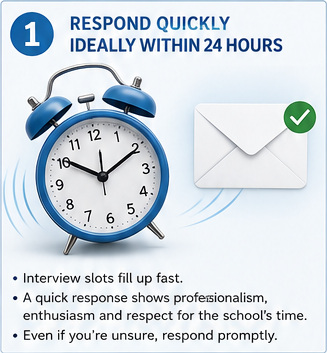
One of the biggest mistakes candidates make is waiting too long to reply.
International schools often send interview invitations to multiple candidates at the same time. If you delay responding, interview slots may become fully booked before you secure a time. Schools are also extremely busy during hiring periods, and leadership teams often have limited availability.
A quick response shows:
Professionalism
Enthusiasm
Good communication skills
Respect for the school’s time
Even if you’re unsure about the role, it’s still worth responding promptly and arranging the conversation.
Offer Multiple Time Options
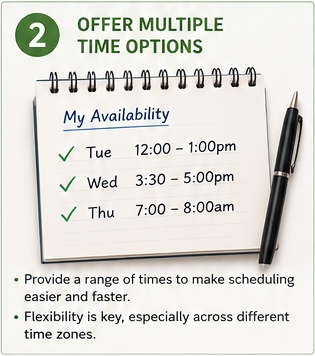
When replying, try to provide a range of available times.
Giving several options speeds up the scheduling process and reduces unnecessary back-and-forth communication.
For example:
Tuesday: 12:00–1:00pm
Wednesday: 3:30–5:00pm
Thursday: 7:00–8:00am
Flexibility can make a huge difference in getting your interview locked in efficiently, especially when schools are coordinating interviews across different countries and time zones.
Remember: Not All Schools Can Interview After Work Hours
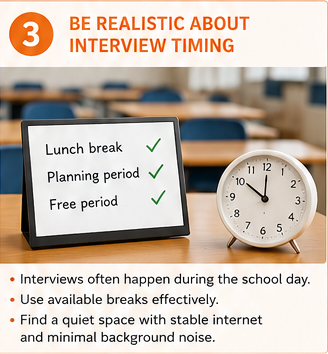
Many candidates assume schools will only interview outside of teaching hours, but this is not always possible.
School leaders are often interviewing during their own working day, meaning lunchtime slots, planning periods, or free periods are commonly used for interviews.
Because of this, it’s important to:
Be realistic about your availability
Plan ahead where possible
Use lunch breaks or non-contact periods effectively
If you’re interviewing while at work, try to find:
An empty classroom
A quiet office
A private meeting room
Somewhere with stable internet and minimal background noise. A calm environment helps you appear more professional and allows you to focus fully on the conversation.
Treat the First Interview as a Two-Way Introduction
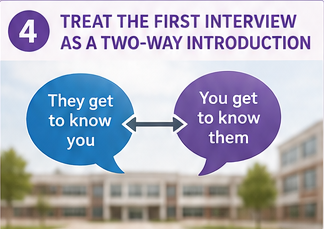
A first-stage interview is rarely about making final decisions immediately.
Instead, it’s usually an introduction:
The school gets to know you
You get to know the school
This is why it’s often worth attending as many interviews as possible, even if you’re initially unsure about the vacancy.
You may discover:
A leadership team you really connect with
Better benefits than expected
Opportunities for progression
A school culture that suits you perfectly
Equally, the interview may help you to confirm that the role isn’t the right fit - and that’s valuable information too.
Remember: attending a first interview does not obligate you to continue with the process afterward.
Test the Interview Platform in Advance
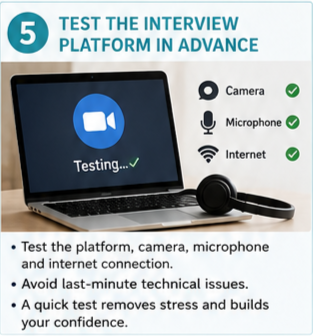
Once your interview is confirmed, don’t leave technical preparation until the last minute.
If the school uses a platform you haven’t used before - such as Tencent Meeting, Zoom, Microsoft Teams, Google Meet, or another system - test it ahead of time.
Some platforms may require:
Downloads
Account creation
Browser permissions
Software updates
Camera or microphone access
The last thing you want is to discover five minutes before your interview that your microphone doesn’t work or the app needs to be installed.
A quick test beforehand can remove a huge amount of stress and lets you focus on making a great first impression.
Set a Reminder or Alarm
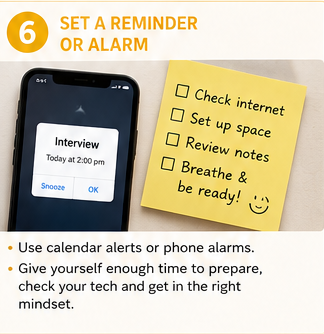
It sounds simple, but interview schedules can easily get lost in a busy teaching day.
Set:
A phone alarm
A calendar reminder
Multiple notifications if needed
Give yourself enough time beforehand to:
Set up your space
Check your internet connection
Review your notes
Mentally switch into interview mode
Logging in calmly and on time creates a much stronger first impression than rushing in flustered or late.
Pay Extra Attention to Demo Lesson Instructions
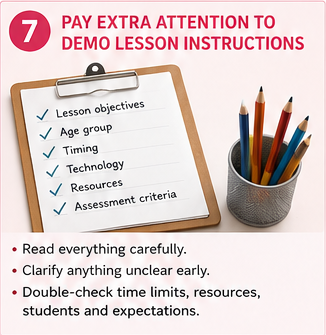
If your interview includes a demo lesson, preparation becomes even more important.
Schools may provide:
Specific lesson objectives
Student age groups
Timing requirements
Technology instructions
Curriculum expectations
Assessment criteria
Read everything carefully.
If anything is unclear, ask questions early rather than guessing. Schools would much rather clarify expectations beforehand than see a candidate misunderstand the task entirely.
Double-check:
Time limits
Resources allowed
Whether students will be present
Online vs in-person expectations
Any required lesson plans or presentations
Strong preparation demonstrates professionalism and attention to detail.
Preparation Time: The Interview Starts Before the Interview
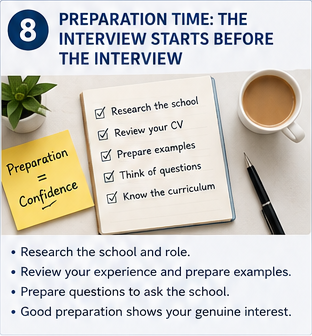
Once your interview is confirmed, the next important step is preparation.
Taking time to prepare properly helps you feel more confident, professional, and ready to make a strong impression.
Before your interview:
Research the school and role carefully
Review your CV and application
Prepare examples from your teaching experience
Think of questions you’d like to ask the school
Familiarise yourself with the curriculum and age group
Good preparation won’t just help your interview go more smoothly; it also demonstrates genuine interest in the role and respect for the school’s time, which is always going to be received well!
Responding to an interview invitation professionally is your first opportunity to begin building a strong relationship with a school.
Fast responses, clear communication, good preparation, and a professional attitude all help create a positive first impression before the interview even begins.
And remember: sometimes the interviews you feel least certain about can end up leading to the most exciting opportunities.