

What Is a “True” International School in China?
If you’ve spent any time researching international teaching jobs in China, you’ve probably seen the phrase “true international school” used quite a lot.
But what does it actually mean?
In simple terms, a “true” international school in China usually refers to a school that primarily serves foreign passport holders and delivers an international curriculum designed for expatriate families.
These schools are generally considered different from:
Bilingual schools
Private Chinese schools with international departments
Local schools using international programmes
Schools operating as “true” international schools in China usually require specific approval and licensing to enrol foreign passport holders.
What Makes a School a “True” International School?
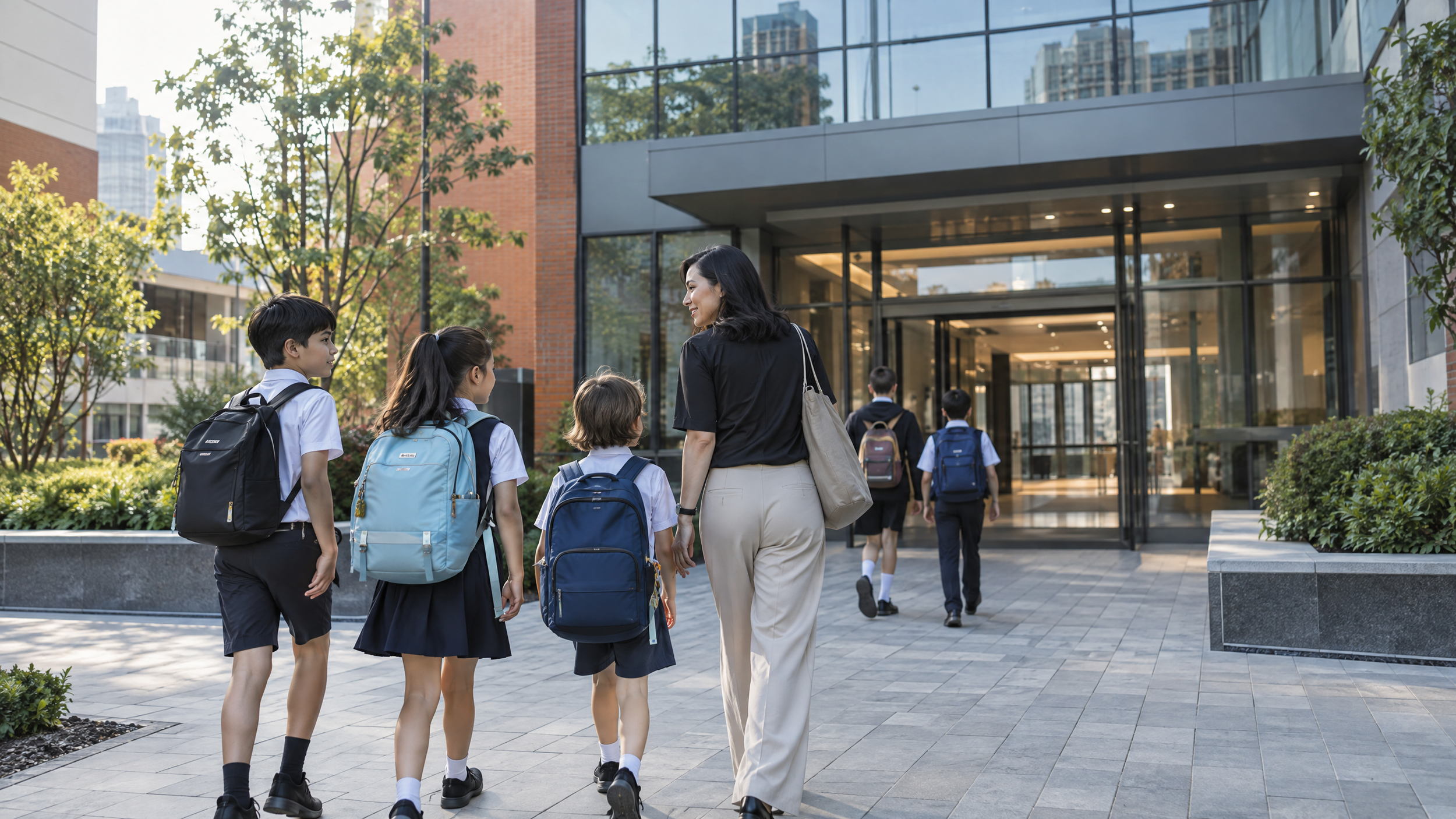
While there’s no official legal definition, teachers and recruiters usually use the term to describe schools with several key characteristics such as:
Student Demographics
True international schools traditionally enrol mostly foreign students rather than local Chinese nationals.
Many were originally created to support expatriate communities working in cities such as Shanghai, Beijing, Shenzhen, and Guangzhou.
Student populations are often highly international, with dozens of nationalities represented across the school.
International Curriculum
These schools typically deliver recognised international curricula such as:
IB (International Baccalaureate)
British Curriculum
American Curriculum
Canadian Curriculum
The curriculum is usually fully embedded across the whole school rather than partially adopted.
International Staffing
True international schools often recruit globally and usually employ a large number of licensed international teachers from overseas.
In many cases, schools expect:
Recognised teaching Qualifications and Licences (PGCE, QTS, state licence etc.)
Previous, full time, formal classroom teaching experience (usually a minimum of 2 years)
Specific Curriculum familiarity
Previous International school experience
Strong and stable work history
Because of this, and a high level of interest from quality educators, these schools are often among the more competitive schools in China to enter.
The Rise of Bilingual Partner Schools
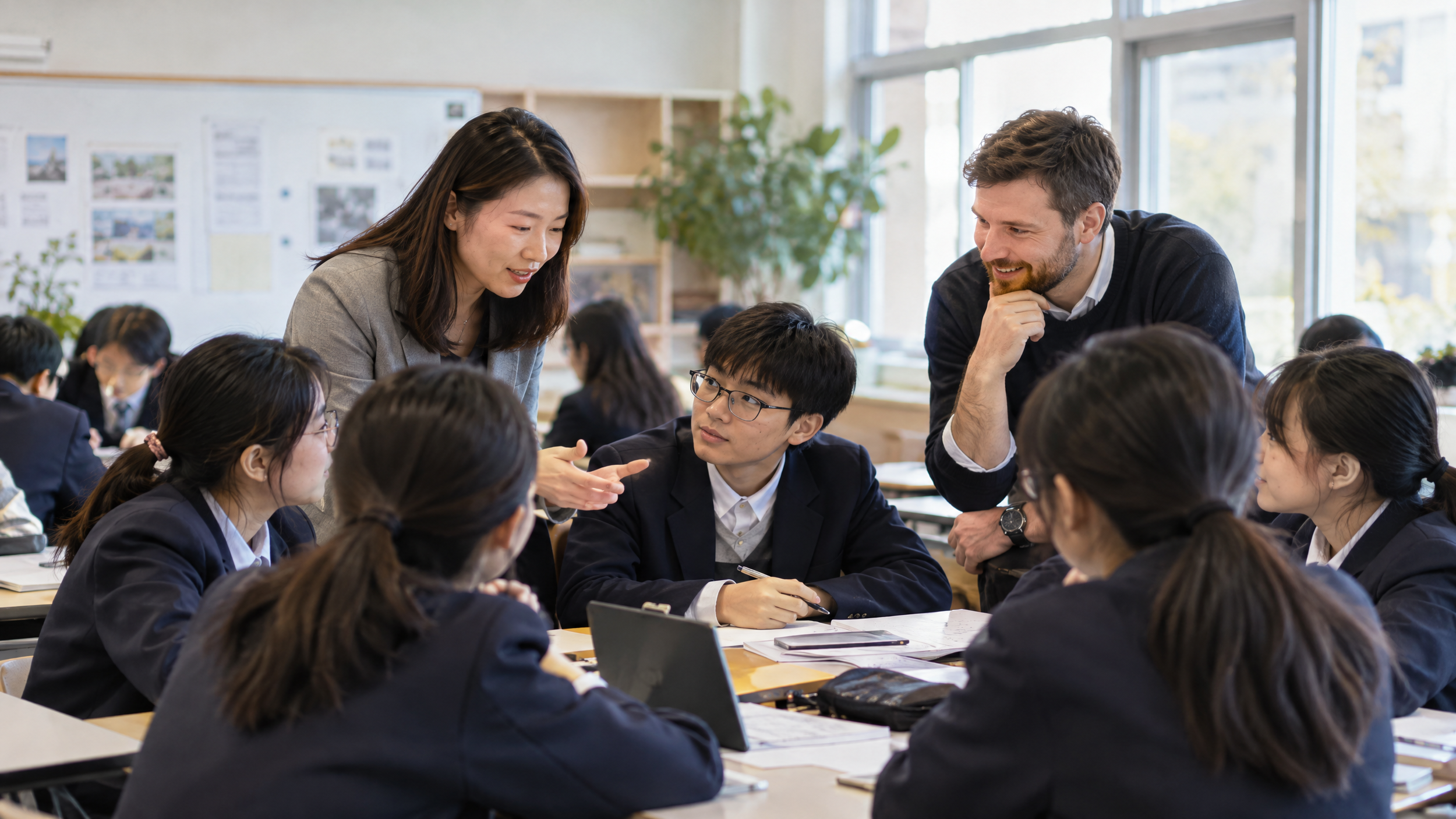
One important thing to understand is that, due to the educational market demands, many true international schools in China now also operate bilingual partner schools alongside their main international campus.
These bilingual schools are often connected to well-known international brands and may share:
Leadership teams
Facilities
Teaching philosophies
Curricula
Professional development
School resources
The student demographic is usually different, with bilingual schools primarily enrolling local Chinese students rather than expatriate families. However, the benefits, career prospects and growth opportunities for teachers are largely similar to those of the ‘true’ international school. This is one reason the lines between “international school” and “bilingual school” can sometimes feel blurred in China’s education market. It also highlights the shift in the market towards more bilingual school opportunities, as more bilingual schools open up and expand.
Why Does the Difference Matter?
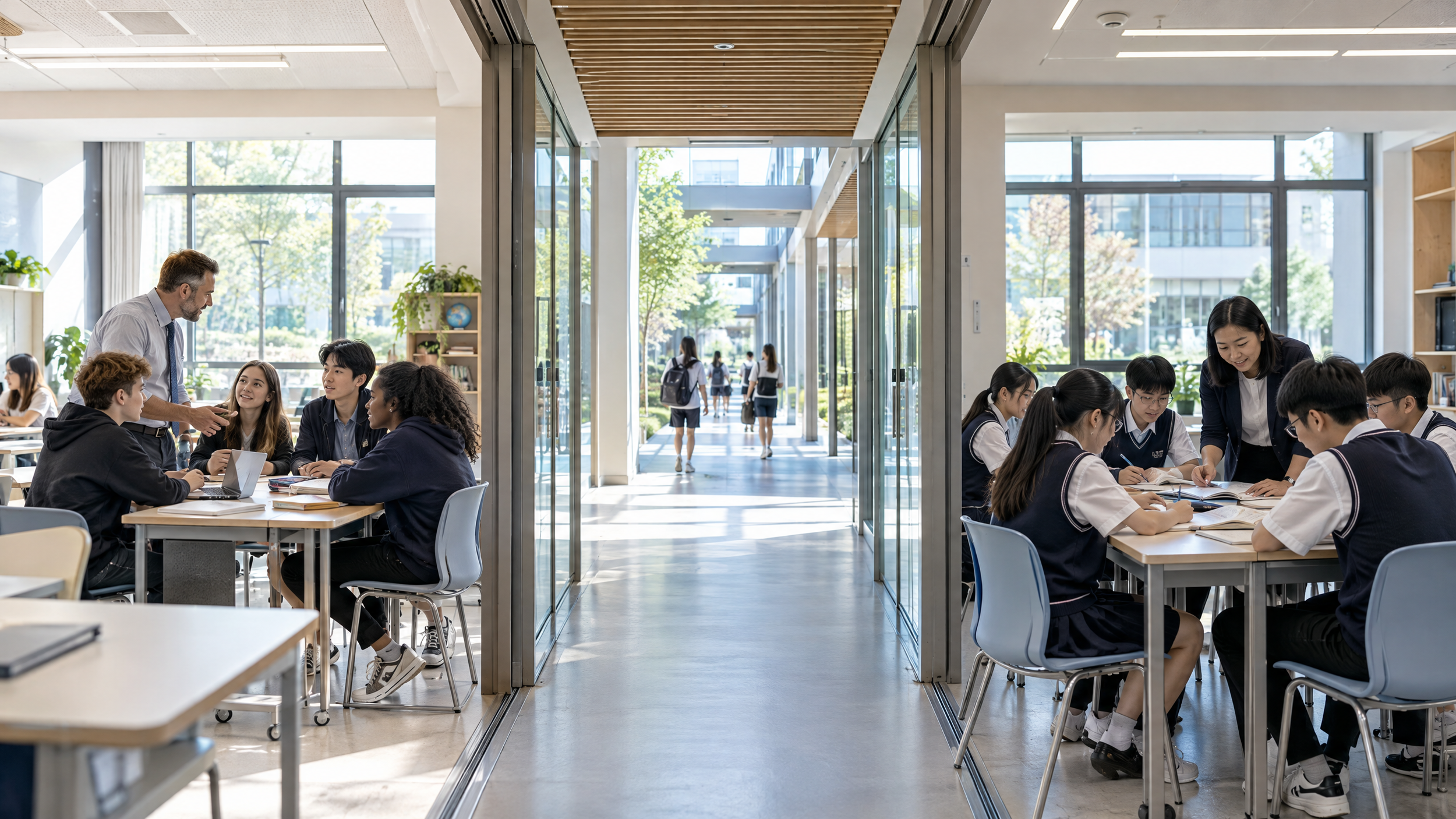
One of the biggest mistakes new international teachers make is assuming all “international schools” in China are the same.
In reality, China’s market is extremely varied.
A bilingual school, for example, can still offer an excellent experience, with the working environment, curriculum expectations, student demographics, language environment, and school culture feeling very similar to that of a traditional expatriate international school.
Neither is automatically “better.” They are simply different types of schools.
China remains one of the largest and most diverse international education markets in the world - and understanding the differences between school types is an essential part of navigating it successfully.
We have roles at great bilingual AND international schools - see what’s available HERE